The Cracks

These Foundations

The real estate was originally waterfront with forts around 34th Street between 11th-12th Ave. In 1815, only a few isolated rows of houses existed; most of the land was owned by people like Dr. Samuel Watkins and Isaac Moses.

Built on fill. Infrastructure (streets, sidewalks) were minimal; land usage didn’t demand dense pedestrian corridors or curb-to-curb walkways.

Strain Shown

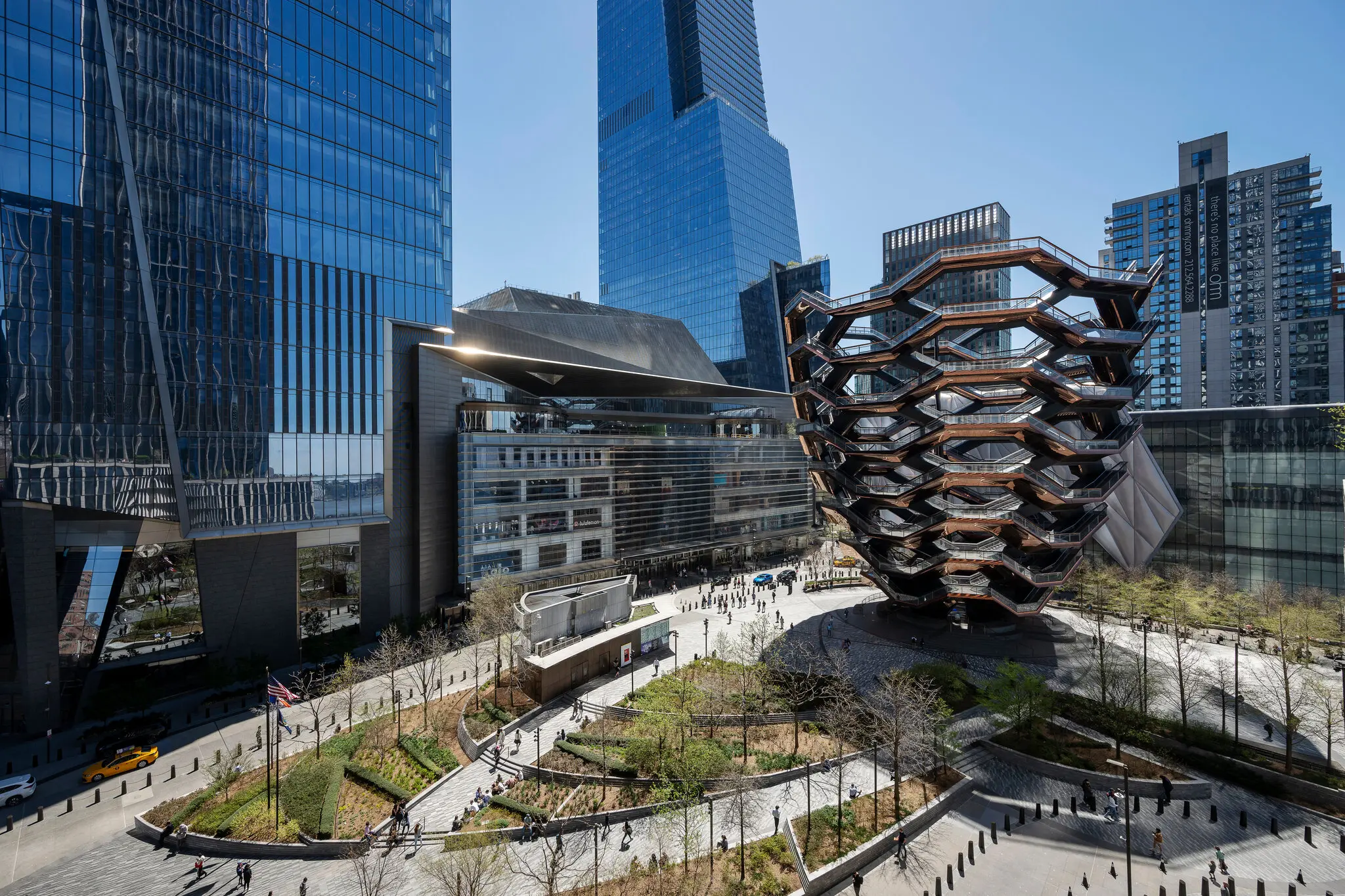
Residents and urban planning experts have criticized Hudson Yards' sidewalks and pedestrian infrastructure for feeling disconnected, unwelcoming, and prioritizing commercial space over public access. Despite the development's clean, modern appearance, critics cite design flaws that make the area difficult to navigate on foot, particularly for visitors arriving from the east.
Late 1800s
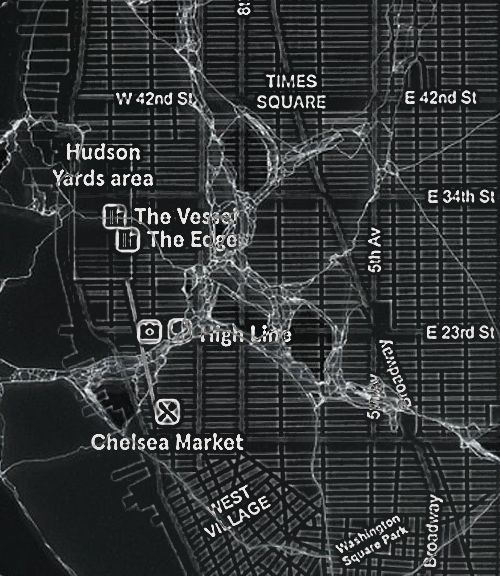
Early maps of the West Side Yards area
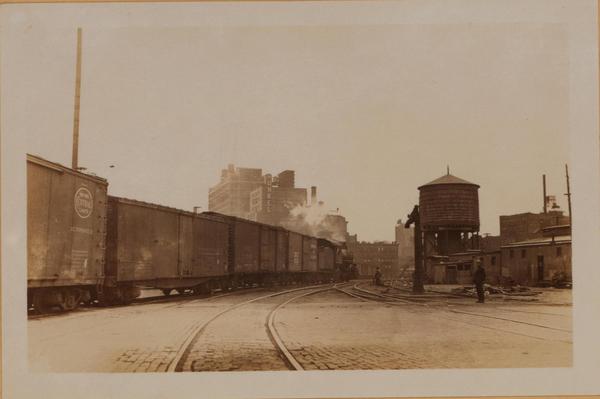
The area was largely freight yards and railroad tracks. Infrastructure was built for industrial/rail use, not for residential or pedestrian use.
1849
Hudson River Railroad opens.
Rails coming in under and along the Hudson, shaping land use toward railroad traffic.
Early 20th Century
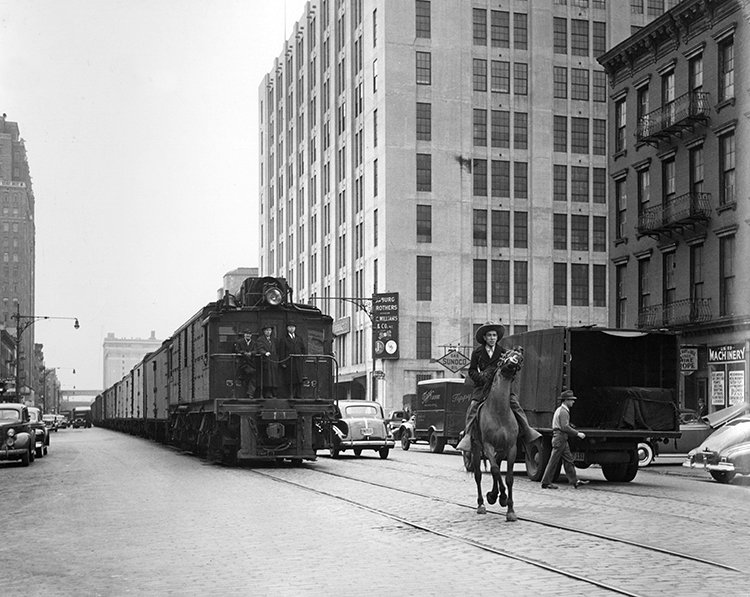
Elevated freight railroad & dangerous street-level tracks (“Death Avenue”)

Tracks at grade (street level) causing frequent conflicts with horses, people, vehicles. Sidewalks/pedestrian crossings minimal or hazardous.

It’s hard to imagine that beneath the calm refuge that is now the High Line there once laid a street so chaotic that it was less-than-fondly known as Death Avenue. For almost one hundred years, the High Line’s predecessor—the New York Central freight line—dangerously plowed up and down 10th and 11th Avenues, leaving people, carriages and cars in its wake.

Mid-1900s
Decline in rail usage; underutilization
Freight operations shrink; land becomes derelict in parts; infrastructure (streets, sidewalks) doesn’t get updated or replaced.
Mid-20th Century
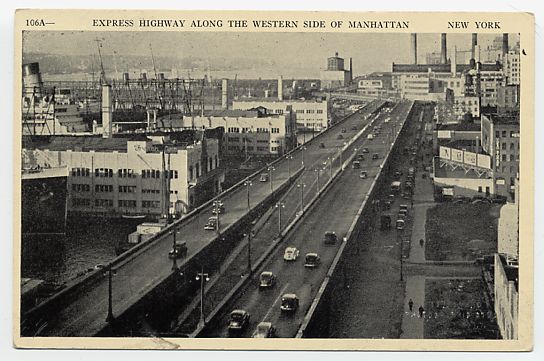
Construction of West Side Elevated Highway (Miller Highway)
More emphasis on automobile infrastructure; separation of waterfront from rest of city; sidewalk/ped pedestrian infrastructure still not a priority.
Late 20th / Early 2000s
Visions and proposals for redeveloping the yards (start of the future). redeveloping the yards
Various plans and ideas floated (e.g., stadiums, expansion) showing interest in changing use of the land. But the foundational infrastructure still lacking.
2012-2015
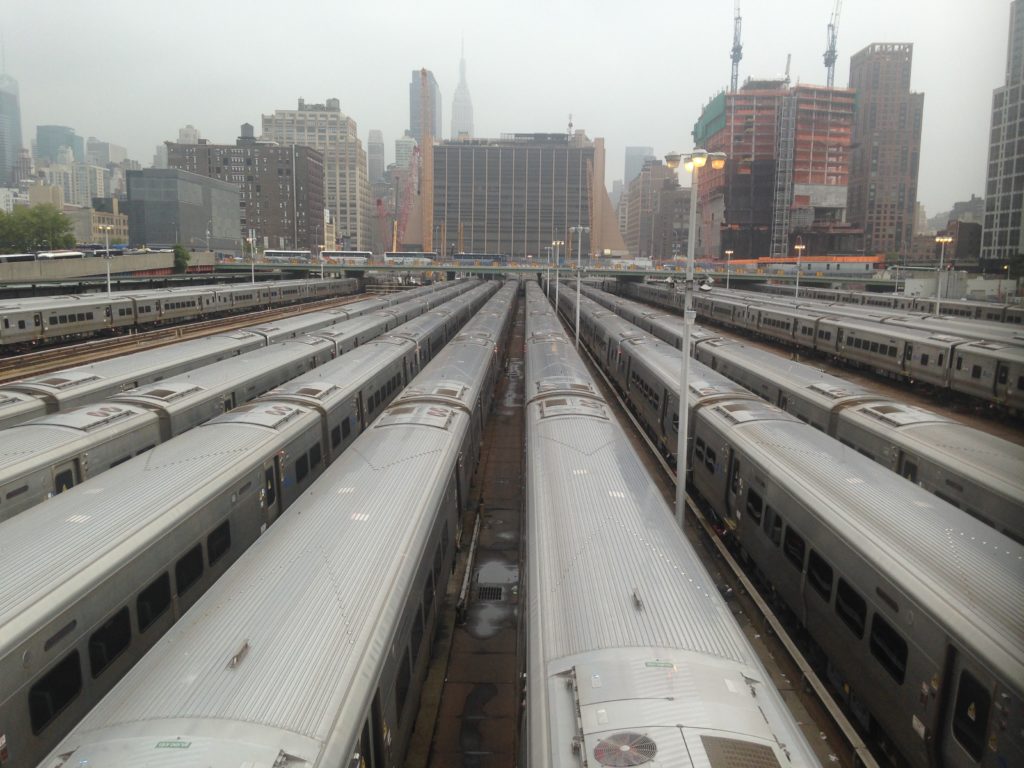
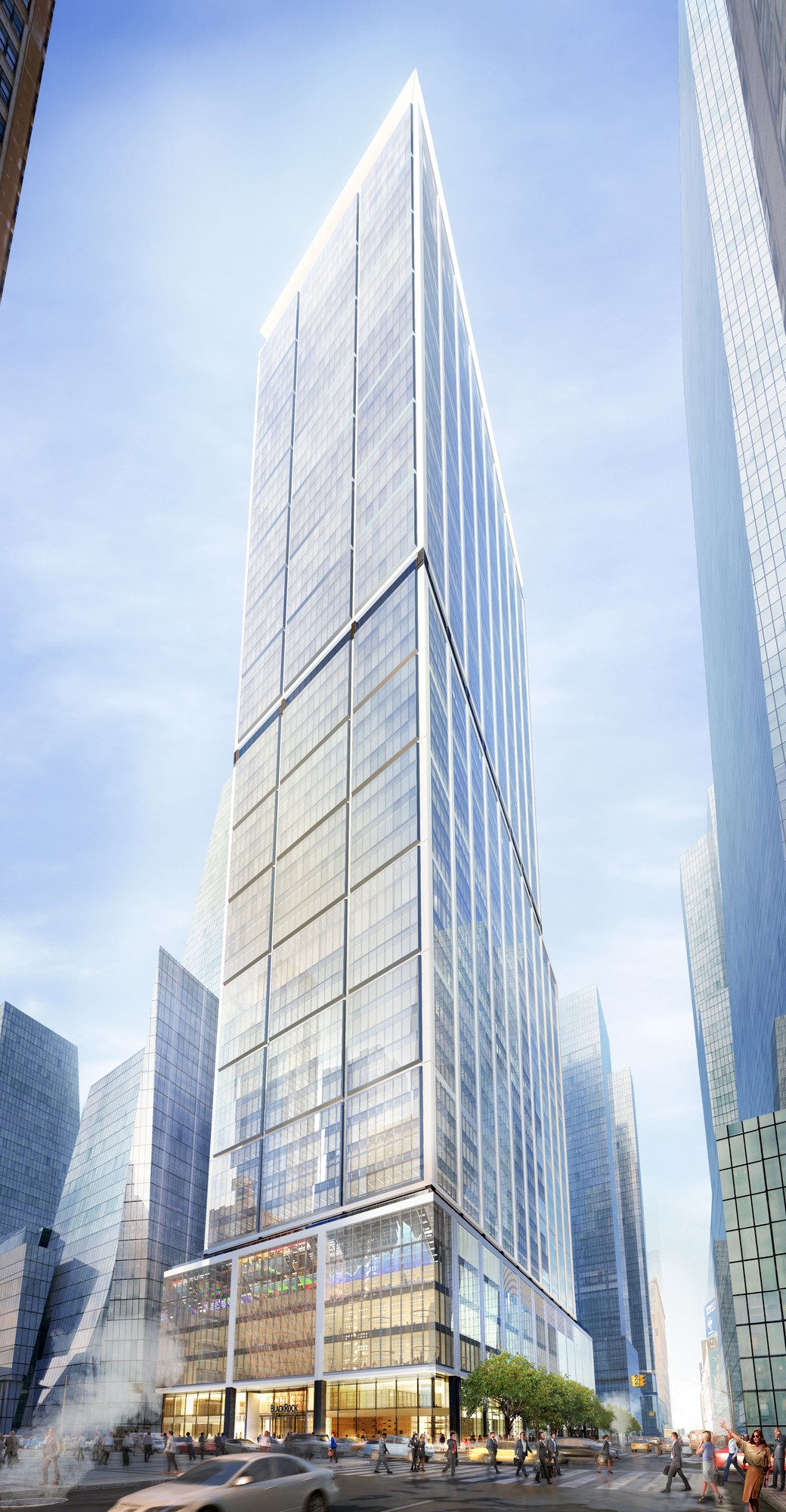
Construction begins; 7-train extension; building towers. The modern phase of Hudson Yards takes shape—developers build luxury, retail, residential—but sidewalk / pedestrian infrastructure suffers from being retrofitted rather than embedded in early design.
2019
Partial completion and opening of Hudson Yards. The first major towers, mall, observatory, public spaces open. Visible development is shiny. But many side streets and supporting walkways still show old industrial foundations: cracked, uneven, built for heavy industrial/rail traffic, not foot traffic.
Now
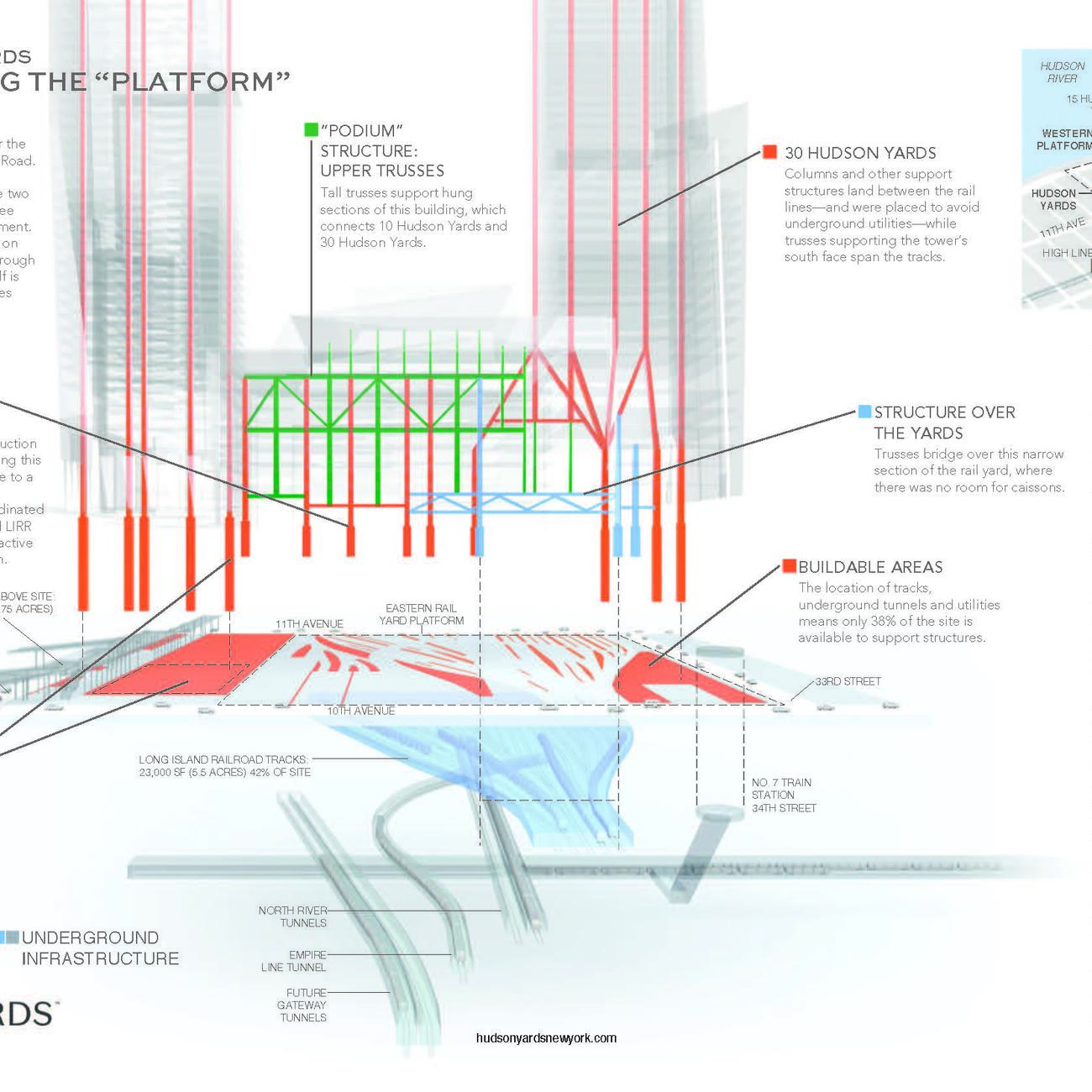
"New York City is poised to pay $2 billion to build a platform over a Manhattan rail yard at the behest of one of the country’s biggest developers, who would then erect mostly luxury housing along the Hudson River." - New York Times
The Future
As proposed by Related, a city entity would issue debt for the new development, and Related would pay discounted taxes that would go toward paying down that debt.

The Solution (Under Construction)